


Vaping
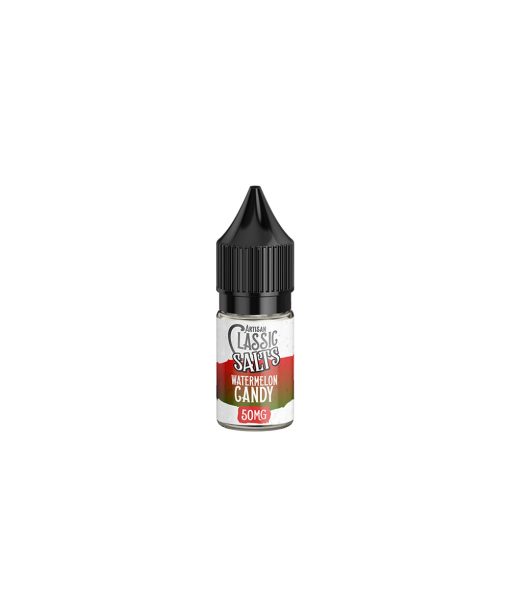
Artisan Classic Salt Premium Nicotine Salts
Jan
Nicotine consumption has evolved significantly over the past two decades. From traditional combustible cigarettes to smokeless alternatives and vapor-based systems, the way nicotine is delivered continues to change alongside technology, consumer behavior, and regulatory oversight. One of the most discussed developments in this space is nicotine salts, often referred to as nic salts, which have become widely used in closed and open vaping systems across the United States.
Artisan Classic Salt Premium Nicotine Salts fall within this category and represent a refined form of nicotine designed for smoother delivery and faster absorption. To understand what sets nicotine salts apart, it is important to explore how they work, how they differ from traditional freebase nicotine, and what users should consider from a health, quality, and regulatory standpoint.
This article takes an educational look at Classic Salt nicotine formulations, their characteristics, how they are used, and the broader context surrounding nicotine salts in the U.S. market.
What Are Nicotine Salts?
Nicotine salts are a naturally occurring form of nicotine found in tobacco leaves. Unlike traditional freebase nicotine, which is chemically altered to increase potency and volatility, nicotine salts are created by combining nicotine with an organic acid—commonly benzoic acid. This chemical pairing changes how nicotine behaves when vaporized and inhaled.
The key result of this process is a more stable compound that can be inhaled at higher concentrations with less throat irritation. This stability is one of the reasons nicotine salts are often associated with compact, low-power vaping devices rather than large, high-wattage systems.
Nicotine salts are not inherently “stronger” than freebase nicotine, but they are absorbed more efficiently, meaning users often feel the effects more quickly.
The Difference Between Nicotine Salts and Freebase Nicotine
Understanding the distinction between nicotine salts and freebase nicotine is essential for informed use.
Absorption Rate
Nicotine salts are absorbed into the bloodstream more rapidly, closely mimicking the nicotine delivery speed of traditional cigarettes. Freebase nicotine, on the other hand, tends to be absorbed more slowly.
Throat Sensation
Freebase nicotine can cause a harsh throat sensation at higher concentrations. Nicotine salts are known for delivering a smoother inhale, even at elevated nicotine levels.
pH Level
Nicotine salts have a lower pH compared to freebase nicotine. This lower alkalinity contributes to reduced irritation during inhalation.
Device Compatibility
Freebase nicotine is commonly used in high-power devices that produce large vapor clouds. Nicotine salts are typically used in low-wattage pod systems designed for efficiency rather than vapor production.
What Makes Classic Salt Nicotine Formulations Distinct?
Classic Salt nicotine formulations, such as those associated with Artisan Classic Salts, are designed to prioritize consistency, smoothness, and flavor stability. The term “classic” often refers to flavor profiles that are familiar, balanced, and not overly sweet or complex, appealing to users who prefer a more traditional experience.
From a formulation standpoint, premium nicotine salt products focus on:
- High-purity nicotine extraction
- Pharmaceutical-grade ingredients
- Controlled acidity for smoother inhalation
- Flavor balance that does not overpower nicotine delivery
These characteristics aim to provide predictability and reliability, especially for adult users transitioning from combustible cigarettes.
Nicotine Strength and Concentration Explained
Nicotine salt products are often available in higher concentrations than freebase nicotine liquids. This is due to their smoother delivery and lower irritation potential.
Common nicotine salt strengths in the U.S. include:
- Low strength (for light users)
- Medium strength (for moderate users)
- Higher strength (commonly used by former smokers)
It is important to note that higher nicotine concentration does not necessarily mean increased consumption. Many users take fewer puffs due to faster satisfaction, though individual behavior varies.
Understanding nicotine tolerance and consumption habits is critical for responsible use.
Flavor Integrity and Stability
One of the challenges in nicotine formulation is maintaining flavor consistency over time. Nicotine salts tend to be more chemically stable than freebase nicotine, which helps preserve flavor integrity.
Classic flavor profiles are often chosen because they:
- Age more predictably
- Are less prone to chemical breakdown
- Remain consistent across batches
This stability is particularly valued by users who prioritize reliability over novelty.
Quality Standards and Manufacturing Considerations
Premium nicotine salt products are typically manufactured under strict quality control processes. While regulations differ by jurisdiction, reputable producers emphasize:
- Ingredient traceability
- Cleanroom manufacturing environments
- Batch testing for purity and consistency
- Compliance with U.S. safety and labeling standards
In the United States, nicotine products are subject to federal oversight, and manufacturers must adhere to evolving regulatory requirements related to packaging, disclosure, and distribution.
Regulatory Landscape in the United States
Nicotine products, including nicotine salts, are regulated in the U.S. to reduce youth access and ensure consumer safety. These regulations may include:
- Age restrictions for purchase
- Product labeling requirements
- Manufacturing and ingredient disclosure
- Marketing limitations
While regulations continue to evolve, adult consumers are encouraged to stay informed and purchase products only from compliant, transparent suppliers.
Health Considerations and Responsible Use
Nicotine is an addictive substance, regardless of its delivery method. While nicotine salts eliminate combustion-related toxins found in cigarettes, they still carry risks associated with nicotine dependence.
Important considerations include:
- Monitoring intake levels
- Avoiding excessive use
- Keeping products out of reach of children and pets
- Consulting healthcare professionals if concerns arise
Educational awareness and responsible use are essential components of harm reduction discussions.
Who Typically Uses Nicotine Salt Products?
Nicotine salt products are commonly used by:
- Adult smokers transitioning away from combustible cigarettes
- Users seeking lower vapor output
- Individuals preferring discreet devices
- Those who value rapid nicotine satisfaction
They are not intended for non-nicotine users or individuals sensitive to nicotine.
Storage and Shelf Life
Proper storage plays a key role in maintaining product quality. Nicotine salt formulations should be:
- Stored in a cool, dark environment
- Kept tightly sealed
- Protected from direct sunlight and heat
When stored correctly, nicotine salts generally have a longer shelf life due to their chemical stability.
The Role of Artisan Classic Salts in the Market
Artisan Classic Salt formulations represent a segment of the nicotine salt market focused on refined experiences rather than novelty-driven trends. Their appeal often lies in balance, consistency, and craftsmanship rather than aggressive marketing.
As consumer preferences continue to mature, demand for predictable and carefully formulated nicotine products remains steady among adult users.
Frequently Asked Questions
Q1: What are nicotine salts used for?
Ans: Nicotine salts are used in Vapor products to deliver nicotine more efficiently and smoothly compared to traditional freebase nicotine.
Q2: Are nicotine salts stronger than regular nicotine?
Ans: Ans: Nicotine salts are not inherently stronger, but they are absorbed faster, which can make them feel more potent.
Q3: Can nicotine salts be used in any device?
Ans: No. Nicotine salts are best suited for low-wattage, pod-style devices and are not recommended for high-power vaping systems.
Q4: Are nicotine salts safer than cigarettes?
Ans: Nicotine salts eliminate combustion-related toxins, but nicotine itself remains addictive and should be used responsibly.
Q5: Why do nicotine salts feel smoother?
Ans: Their lower pH level reduces throat irritation, allowing for higher concentrations without harshness.
Q6: Are nicotine salts regulated in the USA?
Ans: Yes. Nicotine products are subject to federal and state regulations regarding manufacturing, labeling, and sales.
Q7: How should nicotine salt products be stored?
Ans: They should be stored in a cool, dark place, tightly sealed, and away from children and pets

