


News
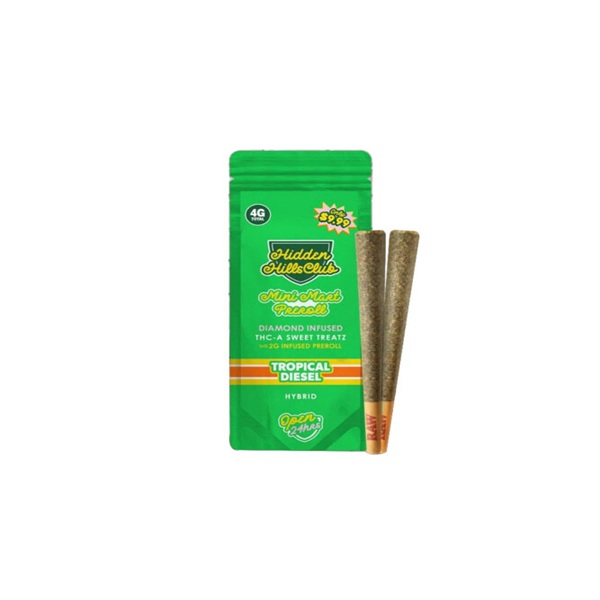
Hidden Hills THCA Disposable – Flavors, Potency & Price
Jul
As hemp-derived cannabinoid products continue to evolve in the United States, many consumers are becoming interested in THCA products and how they differ from traditional THC products. One name that often appears in discussions is Hidden Hills THCA, particularly among people researching disposable vape devices.
Before purchasing any cannabinoid product, it is important to understand what THCA is, how disposable devices work, what influences potency, and why prices can vary. It is equally important to be aware of state laws, product testing, and responsible purchasing practices.
This guide provides an educational overview of Hidden Hills THCA products without recommending or endorsing their use.
What Is THCA?
THCA (tetrahydrocannabinolic acid) is a naturally occurring cannabinoid found in cannabis plants. In its raw form, THCA differs chemically from Delta-9 THC.
When exposed to sufficient heat, THCA converts into THC through a process called decarboxylation. Because of this, consumers should understand how different products are intended to be used and how heating affects the cannabinoid profile.
What Is a THCA Disposable?
A THCA disposable is a pre-filled, single-use vape device designed for convenience. Unlike refillable systems, disposable devices are typically ready to use once purchased and are discarded after the contents are depleted.
Many consumers choose disposable devices because they require minimal setup. However, product design, battery capacity, ingredients, and manufacturing quality may vary between brands.
Common Flavor Options
Manufacturers often offer disposable cannabinoid products in a variety of flavor profiles. Depending on the product line, these may include:
- Fruit-inspired flavors
- Citrus blends
- Berry varieties
- Tropical combinations
- Mint or cooling profiles
- Dessert-inspired options
Flavor descriptions are intended to describe taste and aroma rather than indicate product quality or potency.
Understanding Potency
Potency is one of the most discussed aspects of cannabinoid products. However, a higher potency does not necessarily mean a product is more suitable for every individual.
Several factors influence the overall experience, including:
- Cannabinoid formulation
- Product composition
- Individual tolerance
- Frequency of use
- Serving amount
Consumers should avoid assuming that all products with similar labels provide identical effects.
What Affects the Price?
Prices for THCA disposable products can vary for several reasons.
Product Formulation
Products containing multiple cannabinoids or additional ingredients may be priced differently from simpler formulations.
Manufacturing Standards
Companies that invest in quality control, laboratory testing, and manufacturing processes may have higher production costs.
Laboratory Testing
Independent laboratory testing helps verify cannabinoid content and screen for contaminants. Products accompanied by recent certificates of analysis generally provide greater transparency.
Brand Positioning
Pricing may also reflect brand recognition, packaging, distribution, and other business factors rather than product quality alone.
Why Third-Party Testing Matters
Independent laboratory testing is one of the most important factors to review before purchasing any hemp-derived cannabinoid product.
A certificate of analysis (COA) can help verify information such as:
- Cannabinoid content
- Presence of residual solvents
- Heavy metal screening
- Microbial testing
- Pesticide testing where applicable
Reviewing available testing information can help consumers make more informed decisions.
Understanding U.S. Regulations
Cannabinoid laws in the United States continue to change. While some hemp-derived products may be available in certain states, restrictions differ across jurisdictions.
Before purchasing or possessing any cannabinoid product, consumers should:
- Review current state laws.
- Confirm age requirements.
- Purchase only from businesses that comply with applicable regulations.
Legal availability can change over time, so checking current requirements is important.
Choosing Products Responsibly
Consumers researching cannabinoid products may wish to consider several practical questions:
- Is independent laboratory testing available?
- Does the manufacturer provide ingredient information?
- Are storage and usage instructions clear?
- Is customer support available?
- Does the company provide transparent product information?
Looking beyond marketing claims can help consumers better understand the product they are considering.
Conclusion
THCA products have become increasingly visible in the hemp-derived cannabinoid market, and consumers are seeking reliable information before making decisions. Understanding how disposable devices work, what influences flavor descriptions, why potency differs, and how pricing is determined can help people evaluate products more critically.
Regardless of the brand, it is advisable to prioritize transparency, independent laboratory testing, and compliance with applicable laws when researching cannabinoid products. Staying informed is one of the best ways to make responsible decisions in a rapidly evolving market.
Frequently Asked Questions
What is THCA?
THCA is a naturally occurring cannabinoid found in cannabis plants. It is chemically different from THC until it is heated.
What is a THCA disposable?
A THCA disposable is a pre-filled, single-use vape device designed for convenience without requiring refilling.
Why do THCA product prices vary?
Prices may differ because of manufacturing methods, formulation, laboratory testing, and brand positioning.
Why is laboratory testing important?
Independent testing helps verify cannabinoid content and screens for contaminants, providing greater transparency for consumers.
Are THCA products legal everywhere in the United States?
No. Laws vary by state and can change over time. Consumers should review the laws that apply where they live before purchasing or possessing these products.

